Within Mauritania Curiosities
What Mauritania's Buried Cities Left Behind
Nouakchott's National Museum connects everyday artefacts with the rise and decline of Mauritania's historic caravan settlements.
On this page
- Objects excavated from vanished settlements
- How caravan towns shaped Mauritanian history
- What the national galleries explain about Chinguetti and Ouadane
Page outline Jump by section
Introduction
Mauritania’s National Museum in Nouakchott is more than a display of archaeological finds. It is the place where the country’s scattered desert ruins are brought together into a single story, allowing visitors to understand how prosperous caravan towns flourished across the Sahara before many declined, were abandoned or were gradually swallowed by drifting sand. Rather than presenting isolated artefacts, the museum links pottery, stone tools, inscriptions, jewellery and architectural fragments to places such as Tichitt, Ouadane, Chinguetti and the older settlement of Koumbi Saleh. In a country where many historic sites remain remote and difficult to visit, the galleries provide the clearest introduction to Mauritania’s “buried cities” and the civilisations that once connected North Africa with West Africa.[UNESCO World Heritage Centre]whc.unesco.orgWorld Heritage Centre Ancient Ksour of Ouadane, Chinguetti, Tichitt and OualataUNESCO World Heritage CentreAncient Ksour of Ouadane, Chinguetti, Tichitt and Oualata - UNESCO World Heritage Centre…
What Mauritania’s Buried Cities Left Behind
The National Museum preserves archaeological material recovered from some of the most significant historic settlements in Mauritania. Many of these sites survive only as partial ruins or abandoned quarters, making the museum an essential companion to any journey through the country’s historic landscape.
The collections demonstrate that the western Sahara was not an empty wilderness but a region threaded by permanent settlements that depended on trade, scholarship and seasonal movement. Objects displayed from these excavations typically include domestic pottery, carved stone, metalwork, grinding tools, beads, fragments of architecture and everyday household items. Together they reveal how people adapted to one of the world’s harshest environments while participating in trading networks stretching from the Mediterranean to the Niger basin.[UNESCO World Heritage Centre]whc.unesco.orgWorld Heritage Centre Ancient Ksour of Ouadane, Chinguetti, Tichitt and OualataUNESCO World Heritage CentreAncient Ksour of Ouadane, Chinguetti, Tichitt and Oualata - UNESCO World Heritage Centre…
Unlike many archaeological museums that focus primarily on royal monuments, Mauritania’s National Museum gives considerable attention to ordinary life. Visitors encounter evidence of cooking, commerce, craft production and religious practice rather than spectacular treasure alone, making the vanished settlements feel recognisably human rather than legendary.
Objects excavated from vanished settlements
Many of the museum’s archaeological displays originate from settlements that today appear as weathered stone ruins surrounded by desert. Their significance lies less in individual masterpieces than in the cumulative picture they create.
Among the most important archaeological sources are:
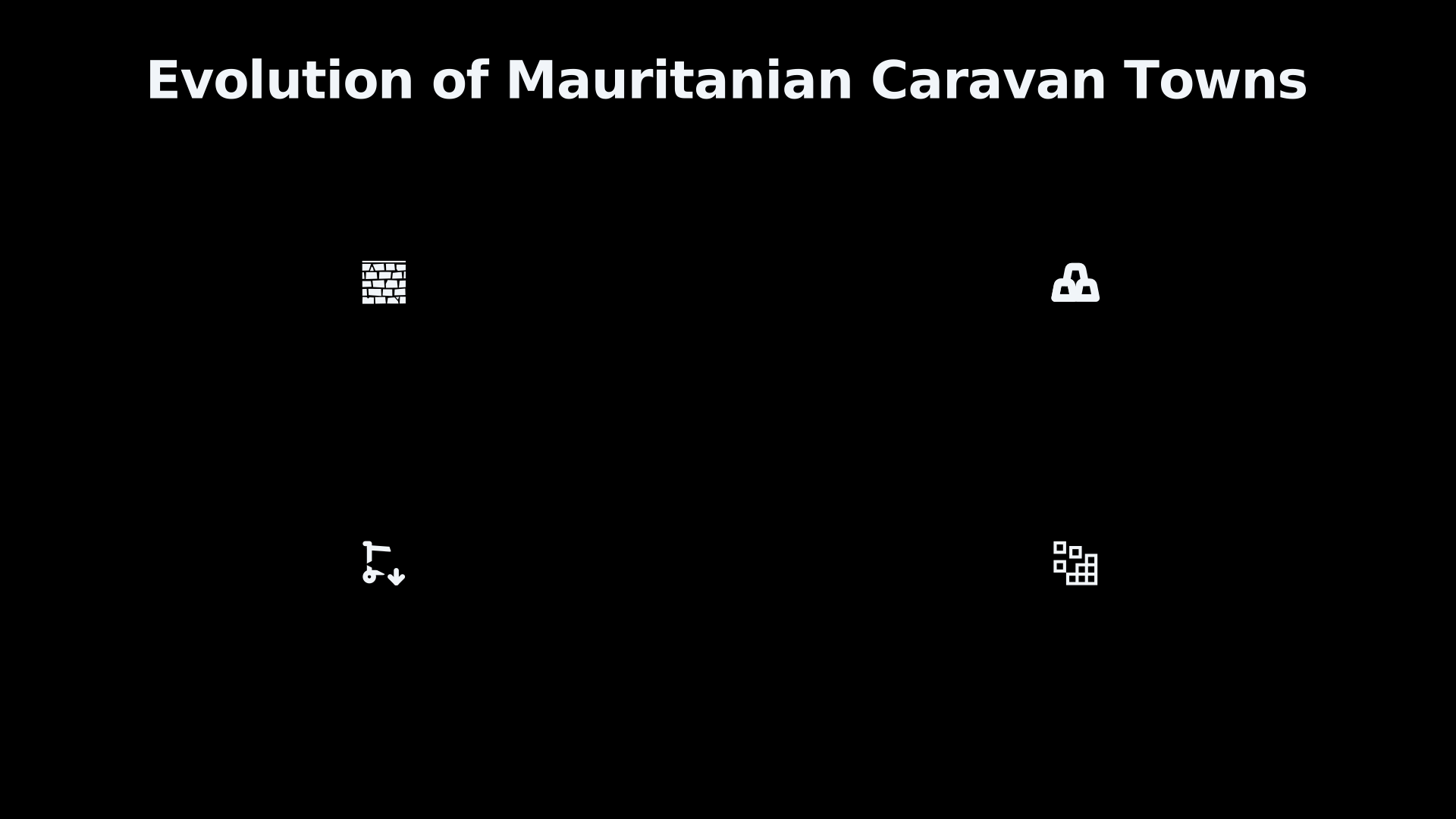
- Tichitt, whose wider region contains exceptionally early stone-built settlements that demonstrate long-term occupation well before the medieval caravan era.
- Ouadane, once an important commercial and scholarly centre whose ruined quarters still preserve dense stone architecture.
- Chinguetti, better known today for its manuscript libraries but also represented archaeologically through material illustrating its urban development.
- Koumbi Saleh, widely associated with the medieval Ghana Empire, where excavated remains illuminate one of West Africa’s earliest major trading centres.[UNESCO World Heritage Centre]whc.unesco.orgWorld Heritage Centre Ancient Ksour of Ouadane, Chinguetti, Tichitt and OualataUNESCO World Heritage CentreAncient Ksour of Ouadane, Chinguetti, Tichitt and Oualata - UNESCO World Heritage Centre…
Seen together, these collections explain how settlements separated by hundreds of kilometres nevertheless belonged to the same wider Saharan world.
How Caravan Towns Shaped Mauritanian History
The museum’s archaeological galleries emphasise that Mauritania’s historic towns existed because of movement rather than isolation.
From roughly the eleventh century onwards, towns including Chinguetti, Ouadane, Tichitt and Oualata developed as staging points for caravans transporting salt, gold, textiles, manuscripts and other valuable goods across the Sahara. These settlements also became centres of Islamic scholarship, attracting teachers, judges and students alongside merchants. UNESCO describes the four ancient ksour as trading and religious centres that preserved a distinctive urban form adapted to desert life between the twelfth and sixteenth centuries.[UNESCO World Heritage Centre]whc.unesco.orgWorld Heritage Centre Ancient Ksour of Ouadane, Chinguetti, Tichitt and OualataUNESCO World Heritage CentreAncient Ksour of Ouadane, Chinguetti, Tichitt and Oualata - UNESCO World Heritage Centre…
The archaeological collections help explain the practical foundations of this prosperity. Storage vessels, imported goods and building materials demonstrate that these towns relied upon sophisticated commercial organisation, reliable water management and extensive regional connections. The exhibits therefore challenge the common assumption that the Sahara was merely crossed by travellers rather than inhabited by thriving urban communities.
Equally important is the story of decline. Changes in trade routes, political shifts, environmental pressures and advancing sand gradually reduced the importance of many caravan settlements. Some were partially abandoned while others survived only as much smaller communities beside their historic ruins. The museum presents these processes as long historical transformations rather than sudden disappearances into myth.[UNESCO World Heritage Centre]whc.unesco.orgWorld Heritage Centre Ancient Ksour of Ouadane, Chinguetti, Tichitt and OualataUNESCO World Heritage CentreAncient Ksour of Ouadane, Chinguetti, Tichitt and Oualata - UNESCO World Heritage Centre…
What the National Galleries Explain About Chinguetti and Ouadane
Visitors who later travel to Chinguetti or Ouadane often discover that the museum has already provided the archaeological framework needed to understand what they see on the ground.
At Chinguetti, the surviving manuscript libraries naturally attract attention, yet the museum explains that the city’s significance extended beyond scholarship. Archaeological material illustrates its wider urban life, commercial importance and role within trans-Saharan exchange networks. The manuscripts become part of a much broader story of settlement rather than isolated cultural treasures.[UNESCO World Heritage Centre]whc.unesco.orgWorld Heritage Centre Ancient Ksour of Ouadane, Chinguetti, Tichitt and OualataUNESCO World Heritage CentreAncient Ksour of Ouadane, Chinguetti, Tichitt and Oualata - UNESCO World Heritage Centre…
For Ouadane, the museum similarly connects surviving architecture with excavated evidence of domestic life and commerce. Visitors can better appreciate why ruined neighbourhoods, collapsed walls and abandoned streets represent the remains of a once-active trading community rather than picturesque relics alone.
By presenting artefacts before visitors encounter the ruins themselves, the National Museum transforms silent stone settlements into places populated by merchants, scholars, artisans and families.
Why the Museum Matters in Mauritania’s Curiosity Landscape
Mauritania has relatively few museums devoted to unusual collections, making the National Museum distinctive for the way it gathers fragments from places that remain physically scattered across immense distances.
Its appeal is not based on mysterious relics or sensational claims. Instead, its fascination comes from reconstructing lost urban worlds from modest archaeological evidence. A worn ceramic vessel, a carved stone or a fragment of architectural decoration becomes intriguing because it is one of the few surviving witnesses to towns that once linked continents before being overtaken by changing trade routes and the desert itself.
For readers interested in Mauritania’s stranger heritage, the museum also provides valuable context for other destinations. The famous manuscript libraries of Chinguetti, the ruined streets of Ouadane and the broader archaeological landscapes of the ancient ksour all become easier to understand after seeing how their surviving objects fit into a continuous narrative of settlement, trade and cultural exchange across the Sahara.[UNESCO World Heritage Centre]whc.unesco.orgWorld Heritage Centre Ancient Ksour of Ouadane, Chinguetti, Tichitt and OualataUNESCO World Heritage CentreAncient Ksour of Ouadane, Chinguetti, Tichitt and Oualata - UNESCO World Heritage Centre…
Amazon book picks
Further Reading
Books and field guides related to What Mauritania's Buried Cities Left Behind. Use these as the next step if you want deeper reading beyond the article.
Sahara
In a book that is beautifully written and full of surprises, Marq de Villiers and Sheila Hirtle describe the Sahara desert in all its rem...
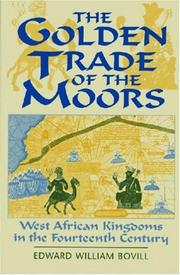
The golden trade of the Moors
First published 1958. Subjects: History, Commerce, Africa, west, history.
The Silk Roads: A New History of the World
Far more than a history of the Silk Roads, this book is truly a revelatory new history of the world, promising to destabilize notions of...
eBay marketplace picks
Marketplace Samples
Live-tested eBay searches with available results related to this page.
Selected fromdesert art print oneBay.co.uk.


Current eBay listing
Sahara Desert Art Print Framed Wall Art Poster Canvas Print Picture
Current eBay listing
Modern Desert Dunes Framed Wall Art Poster Canvas Print Picture
Endnotes
1.
Source: whc.unesco.org
Title: World Heritage Centre Ancient Ksour of Ouadane, Chinguetti, Tichitt and Oualata
Link:https://whc.unesco.org/en/list/750/
Source snippet
UNESCO World Heritage CentreAncient Ksour of Ouadane, Chinguetti, Tichitt and Oualata - UNESCO World Heritage Centre...
2.
Source: whc.unesco.org
Link:https://whc.unesco.org/en/urban-heritage-atlas/ancient-ksour/
Source snippet
UNESCO World Heritage CentreWorld Heritage Centre - UNESCO Urban Heritage Atlas: Cultural mapping of historic cities and settlements| Anc...
3.
Source: whc.unesco.org
Title: World Heritage Centre Ancient Ksour of Ouadane, Chinguetti, Tichitt and Oualata
Link:https://whc.unesco.org/en/list/750/documents/
Source snippet
UNESCO World Heritage CentreAncient Ksour of Ouadane, Chinguetti, Tichitt and Oualata - Documents - UNESCO World Heritage Centre...
4.
Source: unesco.org
Link:https://www.unesco.org/en/node/184147?hub=180145
Source snippet
Mauritania | UNESCODecember 15, 2025 — MAURITANIA Image: Ancient Ksour of Ouadane, Chinguetti, Tichitt and Oualata Ancient Ksour of Ouada...
Published: December 15, 2025
5.
Source: unesco.org
Link:https://www.unesco.org/fr/node/184147
6.
Source: whc.unesco.org
Link:https://whc.unesco.org/fr/list/750
7.
Source: whc.unesco.org
Link:https://whc.unesco.org/en/list/750/gallery/
8.
Source: unesco.org
Link:https://www.unesco.org/archives/multimedia/document-1168
9.
Source: unesco.org
Link:https://www.unesco.org/en/culture-emergencies/heritage-emergency-fund/connecting-generations-through-safeguarding-and-enhancing-protection-[desert-libraries
10.
Source: whc.unesco.org
Link:https://whc.unesco.org/en/decisions/5893/
11.
Source: whc.unesco.org
Link:https://whc.unesco.org/en/decisions/2999
12.
Source: ksour.org
Link:https://www.ksour.org/library/unesco-mauritanian-ksour-1996
13.
Source: ksour.org
Link:https://www.ksour.org/atlas/ouadane
14.
Source: unesco.nl
Link:https://unesco.nl/werelderfgoed/oude-ksour-van-ouadane-chinguetti-tichitt-en-oualata
15.
Source: africa.com
Link:https://africa.com/museums-of-mauritania
16.
Source: youtube.com
Title: Chinguetti, Mauritania | The Ancient Desert City the World Forgot
Link:https://www.youtube.com/watch?v=dTS9fOXCxds
Source snippet
Mauritania - Chinguetti, centuries old desert town (04)...
17.
Source: youtube.com
Link:https://www.youtube.com/watch?v=DJu6cbzDjvU
Additional References
18.
Source: ami.mr
Link:https://ami.mr/fr/archives/288151
Source snippet
January 29, 2026 — CLÔTURE DE LA DEUXIÈME PHASE DES FOUILLES DANS LE SITE HISTORIQUE D’AZOUGUI AZOUGUI On 12:30 PM | 29 Jan 2026 Une miss...
Published: January 29, 2026
19.
Source: ami.mr
Link:https://ami.mr/fr/archives/285887
Source snippet
December 19, 2025 — LE PRÉSIDENT DE LA RÉPUBLIQUE INAUGURE LA CITÉ DU PATRIMOINE À OUADANE On 7:59 PM | 19 Déc 2025 Son Excellence le Pré...
Published: December 19, 2025
20.
Source: prehistoireouestsaharienne.wordpress.com
Link:https://prehistoireouestsaharienne.wordpress.com/2026/01/17/les-panneaux-de-la-salle-darcheologie-du-musee-national-de-nouakchott-2011-version-arabe/
Source snippet
panneaux de la salle d’archéologie du Musée National de Nouakchott (2011) – version arabe – Préhistoire de l'Ouest SaharienJanuary 17, 20...
21.
Source: ami.mr
Title: Mohamed Ould Cheikh El Ghazouani, inaugurated the “Heritage City” in Oua
Link:https://ami.mr/en/archives/28831
Source snippet
President of Republic Inaugurates Heritage City in Ouadane – Mauritanian News AgencyDecember 19, 2025 — PRESIDENT OF REPUBLIC INAUGURATES...
Published: December 19, 2025
22.
Source: youtube.com
Link:https://www.youtube.com/watch?v=docvWgE7FPo
Source snippet
Chinguetti, Mauritania | The Ancient Desert City the World Forgot...
23.
Source: youtube.com
Title: The Ghana Empire: Africa’s Lost Kingdom of Gold
Link:https://www.youtube.com/watch?v=sz0Zotdu3rk
Source snippet
Ancient Ksour of Ouadane, Chinguetti, Tichitt and... (UNESCO/NHK)...
24.
Source: hmml.org
Link:https://hmml.org/about/global-operations/mauritania/
25.
Source: ami.mr
Link:https://ami.mr/fr/archives/54809
26.
Source: ami.mr
Link:https://ami.mr/en/archives/22225
27.
Source: prehistoireouestsaharienne.wordpress.com
Link:https://prehistoireouestsaharienne.wordpress.com/2022/06/02/autour-de-luniversite-une-serie-archeologique-collectee-dans-une-zone-desormais-construite-de-nouakchott/