Within Strange Saint Lucia
What Gets Preserved Beneath Saint Lucia's Resorts?
Indigenous artefacts and plantation machinery turn Saint Lucia's tourist landscape into a debate over preservation, ownership and historical forgetting.
On this page
- Indigenous finds at Giraudy and Cas en Bas
- Development disputes and control of the past
- Plantation machinery, slavery and selective memory

Page outline Jump by section
Introduction
Saint Lucia’s most important archaeological debates are often hidden beneath land earmarked for tourism rather than displayed in museum galleries. Buried Indigenous settlements, colonial plantation ruins and surviving industrial machinery reveal a much longer and more complex history than the island’s modern resort image suggests. The central question is not whether these remains exist—they clearly do—but how much should be preserved, who decides their future, and whether archaeological discoveries become public heritage or obstacles to commercial development.

The tension is especially visible at Cas en Bas on the island’s north-east coast, where archaeologists, heritage organisations, government agencies and developers have debated how to balance large-scale tourism investment with protection of one of Saint Lucia’s most significant Indigenous archaeological landscapes. Elsewhere, plantation machinery and estate ruins survive across the island, but their interpretation raises equally difficult questions about slavery, colonial wealth and selective public memory.
What gets preserved beneath Saint Lucia’s resorts?
Unlike islands where archaeological parks are major tourist attractions, much of Saint Lucia’s pre-colonial heritage remains buried. Excavation usually happens only when development proposals trigger archaeological assessment, meaning discoveries are often tied directly to planning disputes rather than long-term research programmes. The Saint Lucia National Trust has repeatedly argued that archaeological investigation should take place before irreversible construction begins and that nationally important sites deserve permanent protection rather than minimal documentation.[saintlucianationaltrust.com]saintlucianationaltrust.comSaint Lucia National TrustArchaeological Investigations at Cas en Bas – Saint Lucia National TrustAugust 17, 2021…
This creates a different kind of heritage landscape from the island’s better-known historic forts or plantation estates. Visitors rarely encounter spectacular standing monuments. Instead, archaeologists uncover pottery, shell middens, stone tools, food remains and settlement evidence that gradually reconstruct the lives of Indigenous communities long before European colonisation.
Indigenous finds at Giraudy and Cas en Bas
Among the most significant archaeological landscapes are the Indigenous sites around Cas en Bas (also known as Anse Lavoutte) and Giraudy. Archaeological research since the 1960s has identified Cas en Bas as one of the island’s most important Amerindian locations and potentially a place associated with early encounters between the Kalinago people and Europeans. Excavations have recovered pottery fragments, shell deposits and other cultural material demonstrating repeated Indigenous occupation over centuries.[Saint Lucia National Trust]saintlucianationaltrust.comSaint Lucia National TrustArchaeological Investigations at Cas en Bas – Saint Lucia National TrustAugust 17, 2021…
The Giraudy area has likewise produced important archaeological material, adding to evidence that northern Saint Lucia contained substantial Indigenous settlements before European colonisation. Although less familiar to tourists than Pigeon Island or Soufrière, discoveries from sites such as Giraudy contribute to a broader understanding of migration, trade and settlement across the Lesser Antilles. Together they show that the island’s history did not begin with sugar plantations or colonial rivalry but extends much further into the Caribbean’s Indigenous past.[Saint Lucia National Trust]saintlucianationaltrust.comSaint Lucia National TrustArchaeological Investigations at Cas en Bas – Saint Lucia National TrustAugust 17, 2021…
The challenge is that these archaeological landscapes are often invisible above ground. Without excavation and interpretation, they can easily be mistaken for ordinary coastal land awaiting development.

Development disputes and control of the past
The proposed Cabot tourism development at Cas en Bas transformed archaeology from a specialist subject into a national public debate. Heritage organisations accepted that development could proceed but argued that internationally significant archaeological areas first required comprehensive investigation, clear mapping and permanent protection.
Excavations undertaken during 2021 recovered additional artefacts from designated archaeological priority areas, reinforcing earlier assessments of the site’s importance. The Saint Lucia National Trust subsequently called for the creation of a permanent “Place of Learning and Memory” where archaeological remains could be interpreted for both residents and visitors rather than simply recorded before construction continued.[Saint Lucia National Trust]saintlucianationaltrust.comSaint Lucia National TrustArchaeological Investigations at Cas en Bas – Saint Lucia National TrustAugust 17, 2021…
Government agencies, meanwhile, emphasised that planning approval would require compliance with environmental and archaeological conditions. Officials stated that tourism development should account for the area’s archaeological sensitivity while also seeking to deliver economic investment. Separate interventions by the Development Control Authority, including orders to halt unauthorised activity on Cas en Bas beach during the planning process, demonstrated the degree of official scrutiny surrounding the project.[physicaldevelopment.govt.lc]physicaldevelopment.govt.lcMinistry of Physical Development and Public UtilitiesNovember 8, 2019…
The debate illustrates a broader question that extends beyond Saint Lucia. Is archaeology simply something to document before construction, or should major discoveries permanently reshape development plans? Heritage advocates generally favour preservation in situ wherever practical, while developers often emphasise mitigation, recording and carefully managed coexistence. Neither position rejects archaeology outright, but they differ over how much surviving heritage should influence modern land use.
Plantation machinery, slavery and selective memory
Saint Lucia’s surviving plantation relics tell another story about preservation and omission. Across the island, old sugar mills, estate buildings, cocoa works, copra ovens, cane crushers and drying platforms survive in varying states of repair. Some have become visitor attractions within working estates, while others remain overgrown ruins scattered through the landscape.[Saint Lucia Tourism Authority]stlucia.orgOpen source on stlucia.org.
The machinery itself is historically fascinating. Stone windmills, crushing equipment, boiling houses and later industrial technology illustrate how plantation agriculture evolved over several centuries. They are tangible reminders of the engineering required to process sugar and cocoa in difficult tropical conditions.
Yet the interpretation of these sites can be uneven. Tourism promotion frequently highlights picturesque ruins, gardens and traditional agriculture while giving less attention to the enslaved Africans whose labour made plantation wealth possible. Restored estate machinery may therefore be presented primarily as industrial heritage or scenic architecture rather than as evidence of a coercive economic system.
Some heritage sites increasingly address this imbalance by incorporating the histories of slavery, emancipation and labour alongside architectural conservation. Even so, the island’s plantation remains still reflect an ongoing negotiation between commercial tourism, family ownership, historical interpretation and difficult colonial memory.

Why buried heritage matters
Saint Lucia’s archaeological record is unusually vulnerable because many important sites lie beneath attractive coastal land sought for tourism and residential development. Once disturbed without proper investigation, the evidence cannot be recreated.
The island’s legal framework recognises this risk. The Saint Lucia National Trust has statutory responsibilities to identify and promote preservation of archaeological sites, while planning legislation allows buildings, monuments and prehistoric sites to be formally listed and considered during development decisions. Government heritage initiatives have also sought international conservation expertise to strengthen protection of archaeological and historic assets.[Attorney General Chambers]attorneygeneralchambers.comOpen source on attorneygeneralchambers.com.
For travellers interested in Saint Lucia’s more unusual heritage, the island’s archaeological landscapes are therefore significant precisely because they are incomplete, contested and still being uncovered. Instead of polished museum displays, they reveal heritage as an active process of excavation, negotiation and public debate. Plantation machinery, buried Indigenous settlements and threatened coastal sites collectively demonstrate that some of Saint Lucia’s most important historical collections remain embedded in the landscape itself, where decisions about tourism, conservation and national identity continue to shape what future generations will be able to discover.
Amazon book picks
Further Reading
Books and field guides related to What Gets Preserved Beneath Saint Lucia's Resorts?. Use these as the next step if you want deeper reading beyond the article.
A History of Zimbabwe
The first single-volume history of Zimbabwe with detailed coverage from pre-colonial times to the present, this book examines Zimbabwe's...
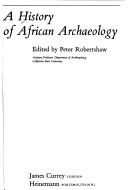
A History of African Archaeology
First published 1990. Subjects: History, Antiquities, Archaeology, Archéologie, Antiquités.
eBay marketplace picks
Marketplace Samples
Live-tested eBay searches with available results related to this page.
Selected fromAfrican archaeology decor oneBay.co.uk.

Endnotes
1.
Source: govt.lc
Title: Saint Lucia
Link:https://www.govt.lc/news/government-project-to-protect-historical-assets
Source snippet
Access GovernmentWeb Portal of the Government of Saint Lucia...
2.
Source: physicaldevelopment.govt.lc
Title: Ministry of Physical Development and Public Utilities
Link:https://physicaldevelopment.govt.lc/news/bringing-sustainable-tourism-development-to-saint-lucia
Source snippet
November 8, 2019...
Published: November 8, 2019
3.
Source: physicaldevelopment.govt.lc
Title: Ministry of Physical Development and Public Utilities
Link:https://physicaldevelopment.govt.lc/news/dca-takes-action-against-unauthorized-activities-on-cas-en-bas-beach
4.
Source: pma.govt.lc
Title: History and Culture
Link:https://www.pma.govt.lc/en/53-homepage-feature/134-history-and-culture
Source snippet
Pitons Management Area...
5.
Source: govt.lc
Title: Web Portal of the Government of Saint Lucia
Link:https://www.govt.lc/news/cabot-development
6.
Source: physicaldevelopment.govt.lc
Title: lc Ministry of Physical Development and Public Utilities
Link:https://physicaldevelopment.govt.lc/news/unrestricted-access-to-cas-en-bas-beach
7.
Source: pmd.govt.lc
Link:https://pmd.govt.lc/statutory-body/saint-lucia-national-trust-slnt/
8.
Source: pma.govt.lc
Title: lc Early Inhabitants of the PMA
Link:https://www.pma.govt.lc/en/pma/history-archaeology
9.
Source: saintlucianationaltrust.com
Link:https://saintlucianationaltrust.com/archaeological-investigations-at-cas-en-bas/
Source snippet
Saint Lucia National TrustArchaeological Investigations at Cas en Bas – Saint Lucia National TrustAugust 17, 2021...
Published: August 17, 2021
10.
Source: attorneygeneralchambers.com
Link:https://attorneygeneralchambers.com/laws-of-saint-lucia/saint-lucia-national-trust-act/section-4
11.
Source: attorneygeneralchambers.com
Link:https://attorneygeneralchambers.com/laws-of-saint-lucia/physical-planning-and-development-act/section-33
Source snippet
int Lucia | Attorney General Chambers...
12.
Source: stlucia.org
Link:https://stlucia.org/en_uk/travel-style/historic-forts-ruins/
13.
Source: saintlucianationaltrust.com
Link:https://saintlucianationaltrust.com/review-of-archaeological-investigation-of-the-cabot-development/
Additional References
14.
Source: stluciastar.com
Link:https://stluciastar.com/national-trust-historical-society-call-on-govt-dca-to-protect-amerindian-site-bordering-cabot-development/
Source snippet
* Local NATIONAL TRUST & HISTORICAL SOCIETY CALL ON GOV’T & DCA TO PROTECT AMERINDIAN SITE BORDERING CABOT DEVELOPME...
15.
Source: youtube.com
Title: Fond d’Or Nature & Historical Park | Amerindians, Slavery & Sugar Estate History
Link:https://www.youtube.com/watch?v=T8eNhBotgHo
Source snippet
Inside Secrets of the Caribbean: Verena Lawaetz, Balenbouche Estate...
16.
Source: youtube.com
Link:https://www.youtube.com/watch?v=LarSVjxLFX8
Source snippet
National Trust Concerned About Destruction Of Artefacts...
17.
Source: youtube.com
Title: Inside Secrets of the Caribbean: Verena Lawaetz, Balenbouche Estate
Link:https://www.youtube.com/watch?v=oRPvWqMQmRo
Source snippet
Pigeon Island National Landmark: History and Heritage...
18.
Source: youtube.com
Title: Thieves Target Balenbouche Estate Artifacts
Link:https://www.youtube.com/watch?v=RFXcIdInHxc
Source snippet
Fond d'Or Nature & Historical Park | Amerindians, Slavery & Sugar Estate History...
19.
Source: youtube.com
Title: National Trust Concerned About Destruction Of Artefacts
Link:https://www.youtube.com/watch?v=MD6D1KRwvRs
Source snippet
Thieves Target Balenbouche Estate Artifacts...
20.
Source: researchgate.net
Link:https://www.researchgate.net/publication/266485477_Interim_Report_on_the_Results_of_the_2009_May_and_June_Rescue_Excavations_at_the_Lavoutte_Site_Cas-En-Bas_St_Lucia_Faculty_of_Archaeology_Leiden
21.
Source: rcistlucia.com
Link:https://rcistlucia.com/archaeological-assessment-of-the-cas-en-bas-priority-one-area-of-the-cabot/
22.
Source: nationaltrust.org.uk
Link:https://www.nationaltrust.org.uk/our-cause/history-heritage/archaeology/techniques-our-archaeologists-use
23.
Source: nationaltrust.org.uk
Link:https://www.nationaltrust.org.uk/our-cause/history-heritage/archaeology