What Makes Mauritius's Museums So Unusual?
Mauritius does not have a well-documented museum of witchcraft, cryptids, UFOs or medical horrors.
Page outline Jump by section
Introduction
That apparent restraint is misleading. Mauritius is unusually rich in objects that sit between scientific specimen, national symbol, family collection and tourist curiosity. The dodo is the clearest example: a vanished bird reconstructed from subfossil bones, incomplete eyewitness testimony and centuries of unreliable imagery. Elsewhere, a private insect collection contains tens of thousands of specimens, an old mansion displays thousands of shells, and a small photography museum preserves technologies that once made the camera itself seem uncanny.
The dodo: Mauritius’s defining curiosity
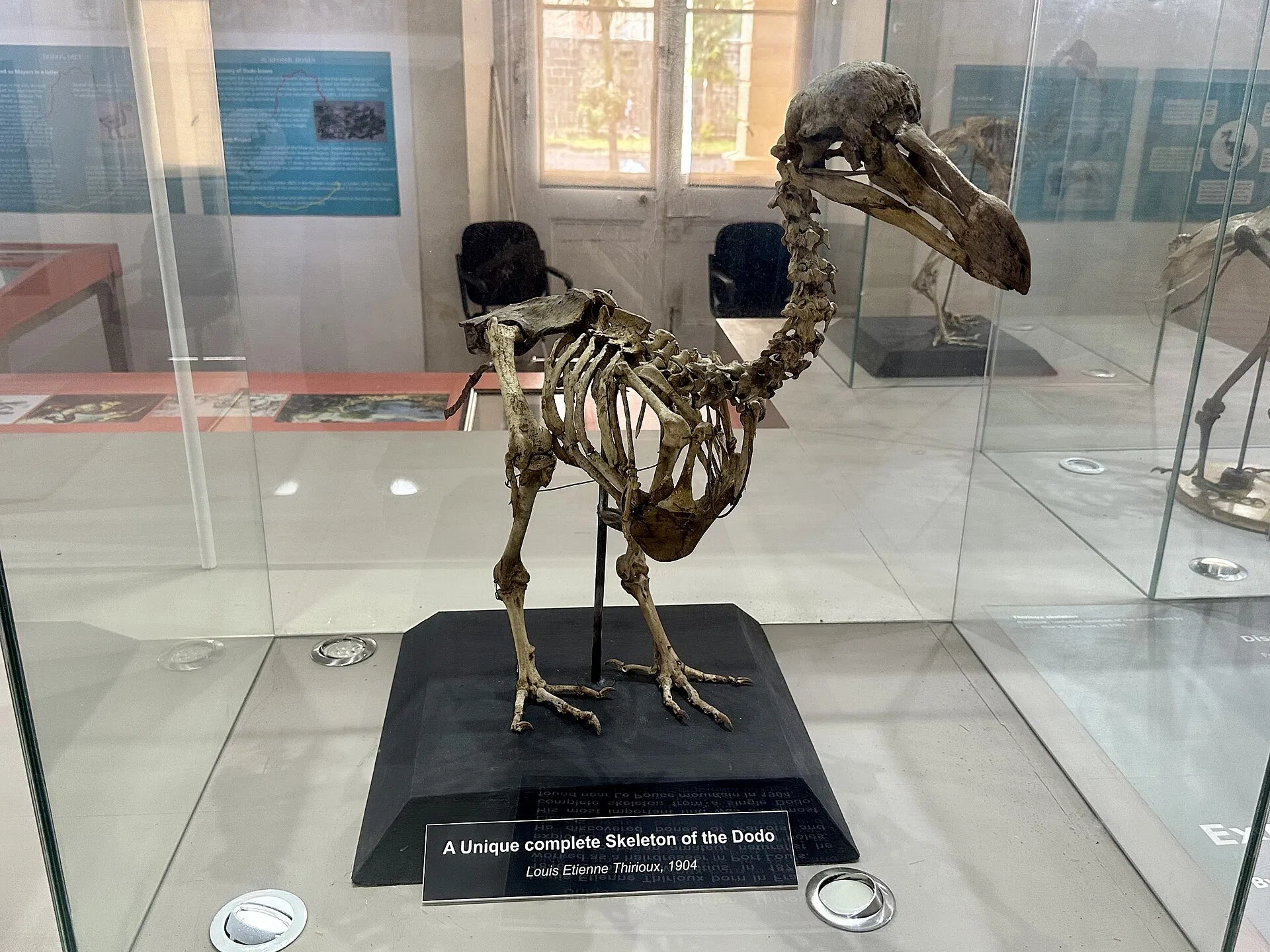
The Natural History Museum in Port Louis is the essential starting point for unusual museums in Mauritius. Its wider purpose is scientific, covering the flora and fauna of Mauritius and the Mascarene Islands, but its greatest attraction is the dodo: an animal that has become simultaneously a fossil, a national emblem, a warning about extinction and a creature of popular myth. The museum holds two exceptionally rare, almost complete dodo skeletons in which the bones belong to individual birds rather than being composites assembled from several animals.[mauritiusmuseums.govmu.org]mauritiusmuseums.govmu.orgThe Exhibition “Life and Legacy of Sir Seewoosagur Ramgoolam (1900 – 1985), inaugurated at the Salon Mairal of the Municipal Council of P…
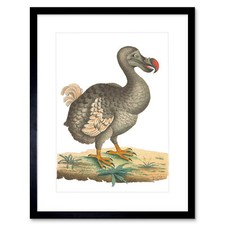
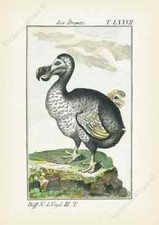
This distinction matters because most displayed dodo skeletons around the world were historically reconstructed from mixed remains. Many of those bones came from Mare aux Songes, a marsh in south-eastern Mauritius rediscovered as a rich deposit in the nineteenth century. Specimens were sold and distributed internationally, while artists and anatomists tried to recreate a living bird from uncertain evidence. The familiar plump, foolish-looking dodo owes as much to paintings, later illustrations and imperfect reconstruction as it does to direct observation.[newyorker.com]newyorker.comThe New Yorker Digging for DodosScientists, including Hume and Beth Shapiro from Oxford University, conducted the first large-scale search for dodo remains in nearly a c…
Visitors should therefore treat the dodo display as more than a collection of old bones. It is effectively an exhibition about how knowledge is manufactured after an animal disappears. Skeletons, casts, paintings and written accounts do not always agree, and scientific interpretations have changed as researchers have studied anatomy, ecology and the wider fossil deposits of Mauritius.
A second dodo-related collection can be seen at the National History Museum in Mahébourg. Housed in a historic colonial mansion, it combines a nearly complete dodo skeleton with old maps, furniture, weapons, coins and objects recovered from shipwrecks and naval conflicts. The result feels closer to an old-fashioned cabinet of national curiosities than a narrowly themed museum: extinct fauna, military relics and domestic objects share the same historical setting.[Mauritius Attractions]mauritiusattractions.comOpen source on mauritiusattractions.com.
The dodo’s importance within Mauritian curiosity culture comes from this overlap. It is scientifically credible, but also endlessly commercialised and mythologised. Museum displays help separate the biological animal from the cartoon character, while showing how difficult that separation can be.
Collections built from shells, insects and fossils
Some of Mauritius’s strangest displays began not as state projects but as the obsessions of individual collectors. They are particularly revealing because they preserve the older tradition of the private cabinet of curiosity: large numbers of related natural objects gathered, classified and displayed because of their beauty, rarity or extraordinary form.
The World of Seashells in Bel Ombre presents about 8,000 specimens representing roughly 1,500 species. The collection belongs to Mauritian shell enthusiast Le Court de Billot and developed from a collecting tradition begun by his parents. It is displayed in a nineteenth-century mansion and is promoted as the largest seashell collection in Africa.[worldofseashells.mu]worldofseashells.muOpen source on worldofseashells.mu.
The museum’s unusual quality lies in repetition and variation. A single shell may appear decorative; thousands together reveal bizarre evolutionary solutions involving spikes, spirals, camouflage, false openings and improbable geometry. The attraction is private and visitor-facing, with an educational emphasis on species and marine ecosystems, although its origins remain those of a personal collection rather than a national research institution.
La Vanille Nature Park contains an even more overwhelming private collection. Its insectarium attributes more than 26,000 species and roughly 30,000 specimens from five continents to the long-term collecting work of Jacques Siedlecki. Beetles, butterflies and other insects are arranged to emphasise differences in scale, colour and body form.[La Vanille Nature Park]lavanillenaturepark.comOpen source on lavanillenaturepark.com.
The insectarium is part of a commercial wildlife park rather than a conventional museum, but it is one of the country’s strongest genuine curiosity displays. Visitors encounter preserved insects as an ordered spectacle: rows of iridescent wings, oversized beetles, defensive mimicry and forms that can look mechanical or extraterrestrial. The scale figures published by tourism sources vary, so the park’s current official description is the safest guide to the collection’s size.[lavanillenaturepark.com]lavanillenaturepark.comOpen source on lavanillenaturepark.com.
La Vanille also advertises fossil and skeletal displays, including ammonites, native-animal remains and marine-mammal material. These exhibits broaden the attraction from living wildlife into natural-history collecting, although they receive less detailed public documentation than the insectarium.[Mauritius Attractions]mauritiusattractions.comOpen source on mauritiusattractions.com.
Taken together, the shell museum and insectarium show how Mauritius’s island setting shapes its strange collections. They turn biodiversity into spectacle, but they also raise familiar questions about collecting: where specimens came from, how old they are, how completely they are documented and whether a private passion is being presented as science, art or entertainment.
Shipwrecks, slavery and migration objects
Mauritius’s most affecting unusual collections are not playful. They preserve material traces of people whose lives were often poorly represented in colonial archives.
The National History Museum at Mahébourg grew from earlier collections of naval relics and historical souvenirs. Its maritime displays include maps, model ships, weapons and objects recovered from wrecks or associated with naval conflict. The mansion itself is part of the story: according to a long-repeated account, wounded French and British commanders were treated there after the Battle of Grand Port in 1810.[govmu.org]govmu.orgThe museum focused on the systematic collection, study and recording of the fauna and flora of Mauritius and the Mascarene Islands, and o…
Shipwreck material has a natural appeal to curiosity-seekers because it arrives damaged, displaced and detached from its original setting. Yet these objects are not presented as treasure-hoard fantasy. They belong to the broader history of an island repeatedly drawn into European imperial competition and Indian Ocean trade.
The Intercontinental Slavery Museum in Port Louis uses a different kind of archaeological object. Established to research and interpret slavery and the slave trade in the Indian Ocean, it was designed to collect documents, oral testimony and artefacts while addressing a major absence in Mauritian public memory.[unesco.org]unesco.orgmauritius establishes international slavery museummauritius establishes international slavery museum
Among its most striking exhibits are small personal possessions and fragments excavated from an old cemetery at Albion: buttons, bone tools, earrings and a rosary. Their power comes from their ordinariness. Rather than monumental objects owned by rulers, they are intimate traces associated with people whose identities were frequently reduced to entries in property and labour records.[portail-esclavage-reunion.fr]portail-esclavage-reunion.frInauguration of the Intercontinental Slavery Museum in PortInauguration of the Intercontinental Slavery Museum in Port
The museum is housed in Port Louis’s former military hospital, itself a colonial building dating from the eighteenth century. Its exhibitions have included material on the arrival of enslaved people under French occupation and on named individuals whose lives expose the legal and social machinery of enslavement.[ismmauritiusltd.govmu.org]ismmauritiusltd.govmu.orgOpen source on govmu.org.
Related collections at the Folk Museum of Indian Immigration in Moka preserve another side of coerced and controlled mobility. The museum forms part of the Mahatma Gandhi Institute and uses documents, photographs, maps and household or cultural objects to explain the experience of Indian migrants and indentured labourers. The wider archival record of indentured immigration in Mauritius covers the period from 1834 into the twentieth century and is recognised by UNESCO’s Memory of the World programme.[mgirti.ac.mu]mgirti.ac.muOpen source on mgirti.ac.mu.
These institutions are relevant to strange-history travel because they demonstrate that the most unsettling object is not always visually grotesque. A rosary from a cemetery, a labour record or an ordinary domestic implement may carry more historical weight than a dramatic relic. Their credibility rests on archaeology, archival documentation and institutional research rather than legend.
Cameras, illusions and manufactured wonder
The Mauritius Photography Museum in Port Louis preserves the period when photography was an unfamiliar and almost magical technology. Its intimate collection includes early cameras, projectors, negatives, prints and equipment connected with the development of image-making in Mauritius. Visitor accounts and specialist travel descriptions highlight daguerreotypes dating from around 1840, close to the beginning of publicly available photography.[tripadvisor.com]tripadvisor.comThe Photographic MuseumThe Photographic Museum
A daguerreotype is a unique image formed on a polished metal plate rather than a reproducible paper photograph. Its reflective surface can make the picture appear and disappear as the viewer changes position. In a small museum filled with mechanical cameras and projection devices, these objects retain some of the mystery they possessed in the nineteenth century.
The museum appears to be closely associated with private collecting and personal stewardship rather than the scale or resources of a large state institution. That gives it character, but practical details and access arrangements should be checked before a visit. Its value lies less in polished multimedia interpretation than in proximity to fragile machines and images documenting a changing city and island society.
At the opposite end of the spectrum is Curious Mauritius in Chamarel, formerly widely promoted as Curious Corner. This is a commercial illusion attraction rather than a collecting museum. It uses mirror mazes, an Ames room, upside-down interiors, visual puzzles and interactive installations to make visitors question scale, balance and perception. It also incorporates fact-or-fiction material about Mauritian nature, legends and cultural peculiarities.[curiousmauritius.com]curiousmauritius.comOpen source on curiousmauritius.com.
Its claims are theatrical rather than supernatural. The effects are constructed through perspective, mirrors, room geometry and controlled viewpoints. That transparency is part of the pleasure: visitors know they are being deceived and are invited to work out how the deception functions.
Curious Mauritius represents the tourist-led branch of the country’s curiosity culture. Unlike the Natural History Museum or Intercontinental Slavery Museum, it does not ask visitors to evaluate disputed history or provenance. Its collection consists largely of experiences and staged visual tricks. Even so, its use of the dodo, unusual geology and island legends shows how Mauritius’s real natural and cultural oddities are repackaged as accessible entertainment.
The Mauritius Glass Gallery in Phoenix occupies a middle ground between workshop, commercial gallery and collection. It displays objects made from recycled glass and allows visitors to watch traditional glass-blowing. Lamps, vessels, stained-glass works and personalised hand or foot impressions turn an industrial material into both spectacle and souvenir.[mauritiusnow.com]mauritiusnow.comOpen source on mauritiusnow.com.

What Mauritius does not preserve
There is no strong evidence of a permanent, dedicated Mauritian museum devoted to witchcraft, ghosts, monsters, UFOs or occult practice. Government and museum-council listings instead emphasise natural history, settlement, migration, maritime history, prominent individuals and national heritage.[govmu.org]govmu.orgGovernment of Mauritius Republic of Mauritius * Peopling of Mauritius MuseumGovernment of Mauritius Republic of Mauritius * Peopling of Mauritius Museum
That absence should not be interpreted as a lack of folklore or supernatural belief. Mauritius has a plural religious and cultural inheritance shaped by African, Malagasy, European, Indian and Chinese traditions. Folklore, devotional objects and oral narratives exist within communities, festivals, domestic practice and sacred landscapes, but they are not generally consolidated into a clearly documented public museum of magic or the paranormal. The state’s cultural policy places considerable emphasis on preserving music, festivals and living traditions, including forms recognised by UNESCO as intangible heritage.[Government of Mauritius]govmu.orgOpen source on govmu.org.
For visitors, this means that claims about haunted plantations, supernatural sites or magical objects often belong to oral tradition, tourism storytelling or personal belief rather than formally curated collections. They may be culturally meaningful, but they require a different evidential approach from an excavated artefact or scientifically catalogued specimen.
Mauritius’s most convincing strange museums are therefore places where uncertainty can be examined rather than merely celebrated: a dodo reconstructed from bones and unreliable pictures; shipwreck objects separated from lost vessels; personal belongings recovered from graves; early photographs that hover on mirrored metal; and private natural-history collections whose scale transforms ordinary shells and insects into something extraordinary.
Choosing the most rewarding visits
For the clearest introduction to Mauritian curiosity culture, the Natural History Museum in Port Louis offers the strongest combination of scientific importance, national symbolism and genuine rarity. The dodo material explains not only an extinct animal but also the problems of reconstruction, myth-making and museum authority.
The best private-collector experiences are the World of Seashells and La Vanille’s insectarium. Both rely on accumulation: the strange effect comes from seeing thousands of variations together rather than one celebrated masterpiece. The former is quieter and more decorative; the latter is larger, more intense and integrated into a commercial nature park.
Mahébourg’s National History Museum is the most atmospheric mixed collection, combining a historic house, maritime relics, weapons, domestic objects and another important dodo display. The Intercontinental Slavery Museum and Folk Museum of Indian Immigration offer the deepest historical interpretation, using small objects and archives to recover lives obscured by colonial systems.
Curious Mauritius is the most overtly playful option. It is best understood as an illusion gallery with Mauritian themes, not as evidence of paranormal phenomena. The Photography Museum and Glass Gallery suit visitors drawn to old technology, private collections and working craft rather than large formal exhibitions.
Opening arrangements can change, especially at smaller institutions. Official museum, attraction or institutional pages should be checked shortly before travelling. The broader pattern, however, is clear: Mauritius’s unusual collections are rooted less in sensational horror than in extinction, oceanic isolation, migration, collecting passion and the persistent human desire to reconstruct what has vanished.

Amazon book picks
Further Reading
Books and field guides related to What Makes Mauritius's Museums So Unusual?. Use these as the next step if you want deeper reading beyond the article.
The Sixth Extinction: An Unnatural History
WINNER OF THE PULITZER PRIZE ONE OF THE NEW YORK TIMES BOOK REVIEW'S 10 BEST BOOKS OF THE YEAR A NEW YORK TIMES BESTSELLER A NATIONAL BOO...
DK Eyewitness Books: Vietnam War
Be an eyewitness to the longest war in American history—a dramatic story of patriotism, tragedy, bloody conflict, and heroism. Notonly ca...
eBay marketplace picks
Marketplace Samples
Live-tested eBay searches with available results related to this page.
Selected fromdodo art print oneBay.co.uk.
Current eBay listing
Bird Dodo Vintage Illustration Art Print Framed Poster Wall Decor
Current eBay listing
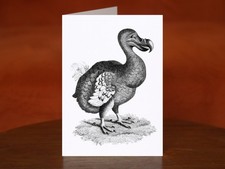
Dodo by George Shaw (1806 - 1807) - A5 Art Print Greeting Card
Endnotes
1.
Source: govmu.org
Title: Government of Mauritius Republic of Mauritius * Peopling of Mauritius Museum
Link:https://www.govmu.org/EN/infoservices/arts/Pages/museums.aspx
2.
Source: mauritiusmuseums.govmu.org
Link:https://mauritiusmuseums.govmu.org/mauritiusmuseums/
Source snippet
The Exhibition “Life and Legacy of Sir Seewoosagur Ramgoolam (1900 – 1985), inaugurated at the Salon Mairal of the Municipal Council of P...
3.
Source: govmu.org
Link:https://www.govmu.org/EN/Pages/exploremauritius.aspx
Source snippet
The museum focused on the systematic collection, study and recording of the fauna and flora of Mauritius and the Mascarene Islands, and o...
4.
Source: wired.com
Link:https://www.wired.com/2011/12/repost-the-dodo-is-dead-long-live-the-dodo
Source snippet
Initially depicted as a grotesque, foolish-looking bird, the dodo's portrayal was influenced by skeletal remains and artistic liberties...
5.
Source: wired.com
Link:https://www.wired.com/2011/02/the-dodo-is-dead-long-live-the-dodo
Source snippet
This misconception is attributed to artistic errors, the misinterpretation of skeletal and soft tissue anatomy, and early depictions by a...
6.
Source: tourism.govmu.org
Link:https://tourism.govmu.org/Pages/Services/Tourist-Sites.aspx
7.
Source: unesco.org
Title: mauritius establishes international slavery museum
Link:https://www.unesco.org/en/articles/mauritius-establishes-international-slavery-museum
8.
Source: portail-esclavage-reunion.fr
Title: Inauguration of the Intercontinental Slavery Museum in Port
Link:https://www.portail-esclavage-reunion.fr/en/inauguration-of-the-intercontinental-slavery-museum-in-port-louis-mauritius/
9.
Source: ismmauritiusltd.govmu.org
Link:https://ismmauritiusltd.govmu.org/ism/?page_id=2330
10.
Source: mgirti.ac.mu
Link:https://www.mgirti.ac.mu/index.php/folk-museum-of-indian-immigration
11.
Source: media.unesco.org
Title: mauritius indentured labourers en
Link:https://media.unesco.org/sites/default/files/webform/mow001/mauritius_indentured_labourers_en.pdf
12.
Source: mgirti.ac.mu
Title: Folk Museum of Indian Immigrants
Link:https://www.mgirti.ac.mu/index.php/38-our-facilities/108-folk-museum-of-indian-immigrants
13.
Source: tripadvisor.com
Title: The Photographic Museum
Link:https://www.tripadvisor.com/Attraction_Review-g293817-d6540920-Reviews-The_Photographic_Museum-Port_Louis.html
14.
Source: govmu.org
Link:https://www.govmu.org/EN/infoservices/arts/Pages/culture.aspx
15.
Source: tripadvisor.com
Title: Review of World Of Seashells
Link:https://www.tripadvisor.com/ShowUserReviews-g612353-d19719437-r815385917-World_of_Seashells-Bel_Ombre.html
16.
Source: tripadvisor.com
Title: The Mauritius Glass Gallery
Link:https://www.tripadvisor.com/Attraction_Review-g2509129-d3935071-Reviews-The_Mauritius_Glass_Gallery-Phoenix.html
17.
Source: tripadvisor.com
Title: Curious Mauritius
Link:https://www.tripadvisor.com/Attraction_Review-g1168948-d6413027-Reviews-Curious_Mauritius-Chamarel.html
18.
Source: tripadvisor.com
Link:https://www.tripadvisor.com/AttractionProductReview-g737038-d19080334-La_Vanille_Nature_Park-Riviere_des_Anguilles.html
19.
Source: tripadvisor.com
Title: Intercontinental Slavery Museum
Link:https://www.tripadvisor.com/Attraction_Review-g293817-d26812701-Reviews-Intercontinental_Slavery_Museum-Port_Louis.html
20.
Source: govmu.org
Link:https://www.govmu.org/EN/infoservices/arts/Pages/heritage.aspx
22.
Source: mauritiusmuseums.govmu.org
Link:https://mauritiusmuseums.govmu.org/mauritiusmuseums/?page_id=1820
23.
Source: nhf.govmu.org
Link:https://nhf.govmu.org/nhf/?page_id=723
24.
Source: mauritiusmuseums.govmu.org
Link:https://mauritiusmuseums.govmu.org/mauritiusmuseums/?page_id=1843
25.
Source: mauritiusmuseums.govmu.org
Link:https://mauritiusmuseums.govmu.org/mauritiusmuseums/?page_id=1855
26.
Source: govmu.org
Link:https://govmu.org/FR/infoservices/arts/Pages/museums.aspx
27.
Source: prisons.govmu.org
Title: Women Prison.aspx
Link:https://prisons.govmu.org/Pages/Penal/Women-Prison.aspx
28.
Source: mauritiusmuseums.govmu.org
Link:https://mauritiusmuseums.govmu.org/mauritiusmuseums/?page_id=1822
29.
Source: mgirti.ac.mu
Title: indian immigration
Link:https://www.mgirti.ac.mu/index.php/indian-immigration
30.
Source: newyorker.com
Title: The New Yorker Digging for Dodos
Link:https://www.newyorker.com/magazine/2007/01/22/digging-for-dodos
Source snippet
Scientists, including Hume and Beth Shapiro from Oxford University, conducted the first large-scale search for dodo remains in nearly a c...
31.
Source: mauritiusattractions.com
Link:https://mauritiusattractions.com/national-history-museum%2C-mahebourg-i-355.html
32.
Source: mauritiusnow.com
Link:https://mauritiusnow.com/blog/things-to-do/mahebourg-museum/
33.
Source: worldofseashells.mu
Link:https://www.worldofseashells.mu/
34.
Source: mauritiusnow.com
Link:https://mauritiusnow.com/blog/things-to-do/world-of-seashells-museum/
35.
Source: lavanillenaturepark.com
Link:https://www.lavanillenaturepark.com/index.php/en/insectarium-24
36.
Source: ilemaurice.im
Link:https://www.ilemaurice.im/en/la-vanille-nature-park/
37.
Source: mauritiusattractions.com
Link:https://mauritiusattractions.com/la-vanille-nature-park-i-341.html
38.
Source: sitesofconscience.org
Title: Sites of Conscience Intercontinental Slavery Museum
Link:https://www.sitesofconscience.org/membership/intercontinental-slavery-museum/
39.
Source: news.climate.columbia.edu
Title: intercontinental slavery museum
Link:https://news.climate.columbia.edu/2021/02/02/intercontinental-slavery-museum/
40.
Source: mauritius-holidays-discovery.com
Link:https://www.mauritius-holidays-discovery.com/mauritius-photography-museum.html
41.
Source: curiousmauritius.com
Link:https://curiousmauritius.com/
42.
Source: mauritiusattractions.com
Link:https://mauritiusattractions.com/curious-corner-chamarel-p-575.html
43.
Source: ilemaurice.im
Link:https://www.ilemaurice.im/en/curious-mauritius/
44.
Source: mauritiusnow.com
Link:https://mauritiusnow.com/blog/things-to-do/the-mauritius-glass-gallery/
45.
Source: phoenixbeveragesgroup.mu
Link:https://www.phoenixbeveragesgroup.mu/phoenix-earth
46.
Source: heritageresorts.mu
Link:https://heritageresorts.mu/things-to-do-mauritius/world-of-seashells
47.
Source: mauritiusattractions.com
Link:https://mauritiusattractions.com/museum-of-indian-immigration-in-mauritius-i-354.html
48.
Source: mauritiusattractions.com
Link:https://mauritiusattractions.com/musee-photographie-maurice-p-579.html?currency=USD&products_id=579
49.
Source: mauritiusattractions.com
Title: Dodo of Mauritius Museums around the world display dodo skeletons, but none
Link:https://mauritiusattractions.com/mauritius-dodo-i-102.html
50.
Source: facebook.com
Link:https://www.facebook.com/WorldOfSeashells/
51.
Source: facebook.com
Link:https://www.facebook.com/LaVanilleNaturePark/posts/la-vanille-nature-park-is-home-to-one-of-the-largest-collections-of-insects-with/2290467927783593/
52.
Source: getyourguide.com
Title: World Of Seashells, Bel Ombre
Link:https://www.getyourguide.com/world-of-seashells-l162434/
53.
Source: instagram.com
Link:https://www.instagram.com/worldofseashells/?hl=en
54.
Source: instagram.com
Title: Curious Mauritius (@curiousmauritius)
Link:https://www.instagram.com/curiousmauritius/
55.
Source: worldofseashells.mu
Link:https://www.worldofseashells.mu/?lang=fr
56.
Source: vinval.sk
Title: La Vanille Nature Park
Link:https://www.vinval.sk/Mauritius/lavanillenatureparkinsectcollection.html
57.
Source: tripadvisor.co.uk
Title: NATURA L HISTORY MUSEUM
Link:https://www.tripadvisor.co.uk/Attraction_Review-g293817-d477347-Reviews-Natural_History_Museum-Port_Louis.html
58.
Source: elite-voyage.com
Title: La Vanille Nature Park&Gris Gris
Link:https://elite-voyage.com/mauritius-crocodile-park-gris-gris/
59.
Source: mauritius101.com
Link:https://mauritius101.com/tag/daguerreotype/
Additional References
60.
Source: nhm.ac.uk
Link:https://www.nhm.ac.uk/discover/the-dodo-bird-the-real-facts-about-this-icon-of-extinction.html
Source snippet
Natural History MuseumThe dodo bird: The real facts about this icon of extinctionThese extremely rare and valuable skeletons are both hel...
61.
Source: youtube.com
Title: Did the Dodo Really Go Extinct? The Mystery Hidden in Mauritius
Link:https://www.youtube.com/watch?v=KEivrJeeKB4
Source snippet
Discovering Mauritius' Photographic Legacy | Musée de la Photographie...
62.
Source: youtube.com
Title: Exploring World of Seashells Museum and South Mauritius
Link:https://www.youtube.com/watch?v=6aBBcd-0jrM
Source snippet
The Real Reason The Dodo Went Extinct (It's Not What You Think)...
63.
Source: facebook.com
Link:https://www.facebook.com/GIS.Mauritius/posts/communique-temporary-closure-of-the-national-history-museum-mahebourg/871722768886763/
64.
Source: facebook.com
Link:https://www.facebook.com/LaVanilleNaturePark/videos/explore-one-of-the-worlds-largest-private-insect-collections-with-over-28000-ama/534313942288349/
65.
Source: mauritshuis.nl
Link:https://www.mauritshuis.nl/en/press/film-and-photography
66.
Source: kunstpalast.de
Link:https://www.kunstpalast.de/en/programme/collection/glass-collection/
67.
Source: iccr.gov.in
Link:https://iccr.gov.in/indianculturalcenter/indira-gandhi-centre-indian-culture-port-louis-mauritius
68.
Source: nationaljusticemuseum.org.uk
Link:https://www.nationaljusticemuseum.org.uk/museum/exhibitions/ingenuity
69.
Source: mauritiusholidays.eu
Link:https://mauritiusholidays.eu/mauritius-tours-activities/mauritius-glass-gallery/