Within Burkina Faso Curiosities
How Public Museums Contextualise Burkina Faso's Ritual Objects
Public museums in Ouagadougou and western Burkina Faso place unusual ritual objects beside everyday life, history and regional identity.
On this page
- The National Museum's wider heritage story
- Regional collections in Bobo Dioulasso
- What labels, provenance and public access reveal
Page outline Jump by section
Introduction
Burkina Faso’s public museums are not museums of the macabre or the bizarre in the commercial sense. Instead, they face a more demanding task: preserving objects linked to religious practice, initiation, funerals, political authority and ancestral belief while presenting them within a modern national narrative. Rather than stripping ritual masks, shrines and ceremonial objects of their original meaning, the country’s leading museums increasingly explain them as part of living cultural traditions and shared heritage rather than exotic curiosities. This approach makes them important places for understanding how difficult heritage is interpreted in Burkina Faso, where many artefacts remain spiritually significant to the communities from which they originate.
For visitors interested in the country’s unusual collections, the most revealing public institutions are the National Museum in Ouagadougou and regional museums such as those in Bobo-Dioulasso. Their displays are less theatrical than private collections like the Museum of Manéga, but they provide essential context by explaining provenance, cultural ownership and the relationship between ritual practice and national identity.[Musée National du Burkina Faso]museenational.gov.bfMusée National du Burkina Faso AccueilMusée National du Burkina FasoAccueil - Musée National du Burkina Faso…
The National Museum’s wider heritage story
The National Museum of Burkina Faso was established in 1962, shortly after independence, and today operates as a public scientific and cultural institution under the Ministry of Culture. Its mission extends well beyond displaying attractive artefacts. It collects, conserves, researches and interprets material representing the country’s many cultural communities, with collections spanning archaeology, ethnography, contemporary art and historical objects. The museum reports holdings of roughly 14,000 objects, making it the country’s principal public repository for cultural heritage.[Musée National du Burkina Faso]museenational.gov.bfMusée National du Burkina Faso HistoireMusée National du Burkina FasoHistoire - Musée National du Burkina Faso…
For readers interested in unusual heritage, the ethnographic collections are especially significant. These include:
- ceremonial masks
- ritual sculptures
- musical instruments used in traditional ceremonies
- domestic objects placed alongside sacred items
- traditional clothing and jewellery
- hunting equipment, weapons and traps
- architectural elements from different regions
Seen individually, many of these objects appear mysterious. Displayed together with interpretation, however, they become evidence of how different societies organised authority, honoured ancestors, marked life transitions and understood relationships between the visible and spiritual worlds. The museum deliberately places ritual objects within broader cultural systems rather than presenting them as isolated curiosities.[Musée National du Burkina Faso]museenational.gov.bfMusée National du Burkina Faso AccueilMusée National du Burkina FasoAccueil - Musée National du Burkina Faso…
This is particularly important because many masks displayed in museums elsewhere have lost their original context through the international art market. Burkina Faso’s National Museum instead frames them as community heritage, explaining their ceremonial functions rather than treating them simply as works of sculpture.
Regional collections in Bobo-Dioulasso
Regional museums complement the National Museum by presenting heritage through local rather than national perspectives. Around Bobo-Dioulasso, collections reflect the traditions of western Burkina Faso, where mask cultures remain especially diverse and continue to influence festivals, funerals and community ceremonies.
These museums generally avoid presenting ritual objects as supernatural attractions. Instead, visitors encounter exhibits explaining:
- which communities created particular masks
- how ceremonial objects were used during initiation or funerary rites
- the distinction between everyday craftsmanship and sacred objects
- regional artistic styles and materials
- the continuing importance of oral history alongside physical artefacts
This regional emphasis matters because identical-looking masks may have completely different meanings depending on the community that created them. Public museums therefore shift attention from visual spectacle to cultural interpretation.
Compared with private collections, regional museums also tend to integrate ritual artefacts into displays of agriculture, trade, music and everyday life. This prevents sacred objects from appearing detached from the societies that produced them, helping visitors understand them as part of complete cultural systems rather than isolated mysteries.
What labels, provenance and public access reveal
One of the clearest differences between Burkina Faso’s public museums and many older ethnographic museums elsewhere is the increasing emphasis on provenance—the documented history of where an object came from and how it entered a collection.
Exhibition labels increasingly identify:
- the originating community
- the object’s cultural function
- approximate date or period
- materials and techniques
- whether it formed part of ritual or domestic life
Although documentation is not complete for every artefact, this represents an important shift away from anonymous displays of “tribal art”. Instead, museums encourage visitors to see objects as belonging to identifiable communities with continuing cultural traditions.[Musée National du Burkina Faso]museenational.gov.bfMusée National du Burkina Faso HistoireMusée National du Burkina FasoHistoire - Musée National du Burkina Faso…
Public access also reflects careful governance. Museums generally display only objects considered appropriate for exhibition. Items regarded as too sacred, too fragile or culturally restricted may remain in storage or under controlled access. This selective approach recognises that preservation involves cultural responsibility as well as physical conservation.
Balancing heritage with respect
Displaying ritual heritage inevitably raises difficult questions. Many masks and ceremonial objects were never created as artworks for permanent display. Their original purpose involved performance, movement, music and participation within carefully regulated ceremonies.
Public museums therefore face several competing responsibilities:
- preserving fragile artefacts for future generations
- respecting communities that still regard some objects as spiritually significant
- educating visitors unfamiliar with local traditions
- discouraging stereotypes that portray African ritual culture as mysterious or primitive
- preventing illicit trafficking in culturally important objects
The National Museum increasingly addresses these challenges by combining ethnographic explanation with exhibitions that highlight cultural diversity and national cohesion rather than sensationalising belief systems. Recent exhibitions have also connected historical collections with contemporary artistic and cultural themes, demonstrating that traditional heritage remains relevant rather than frozen in the past.[Musée National du Burkina Faso]museenational.gov.bfMusée National du Burkina Faso ActualitésMusée National du Burkina FasoActualités - Musée National du Burkina Faso…
Why these museums matter within Burkina Faso’s curiosity culture
Readers looking for strange or unusual collections may initially find Burkina Faso’s public museums more restrained than expected. Yet their significance lies precisely in that restraint.
Rather than exploiting mystery, they explain it. Masks associated with funerals become evidence of social memory. Ritual instruments become archives of oral history. Sacred sculptures become examples of how communities expressed authority, protection and ancestry.
This approach distinguishes public museums from more specialised institutions such as the Museum of Manéga. Private collections often explore ritual symbolism in greater depth, while the National Museum and regional museums provide the broader historical and cultural framework needed to understand why such objects matter.
In doing so, they preserve a form of difficult heritage that is neither hidden nor sensationalised. Visitors leave with a clearer understanding that many of Burkina Faso’s most unusual objects remain meaningful not because they are mysterious relics, but because they continue to embody the histories, identities and cultural knowledge of the communities that created them.
Amazon book picks
Further Reading
Books and field guides related to How Public Museums Contextualise Burkina Faso's Ritual Objects. Use these as the next step if you want deeper reading beyond the article.
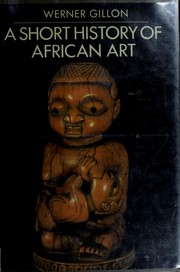
African Art
First published 1984. Subjects: African Art, History, Art, African -- History, Histoire, Art africain.
Exhibiting Cultures: The Poetics and Politics of Museum Display
Debating the practices of museums, galleries, and festivals, Exhibiting Cultures probes the often politically charged relationships among...
Museums, Heritage and International Development
While many claims are made regarding the power of cultural heritage as a driver and enabler of sustainable development, the relationship...

Museum Studies: An Anthology of Contexts
First published 2004. Subjects: Museums, Social aspects, Historiography, Philosophy, Educational aspects.
eBay marketplace picks
Marketplace Samples
Live-tested eBay searches with available results related to this page.
Selected fromAfrican decor oneBay.co.uk.
Endnotes
1.
Source: museenational.gov.bf
Title: Musée National du Burkina Faso Accueil
Link:https://www.museenational.gov.bf/
Source snippet
Musée National du Burkina FasoAccueil - Musée National du Burkina Faso...
2.
Source: museenational.gov.bf
Title: Musée National du Burkina Faso Histoire
Link:https://www.museenational.gov.bf/le-musee/a-propos
Source snippet
Musée National du Burkina FasoHistoire - Musée National du Burkina Faso...
3.
Source: museenational.bf
Title: Musée National du Burkina Faso A propos
Link:https://museenational.bf/a-propos/
Source snippet
Musée National du Burkina FasoA propos - Musée National du Burkina Faso...
4.
Source: museenational.gov.bf
Title: Musée National du Burkina Faso Actualités
Link:https://www.museenational.gov.bf/au-quotidien/actualites
Source snippet
Musée National du Burkina FasoActualités - Musée National du Burkina Faso...
5.
Source: museenational.bf
Title: Musée National du Burkina Faso Collections Archive
Link:https://museenational.bf/collection/
Source snippet
Musée National du Burkina FasoCollections Archive - Musée National du Burkina Faso...
6.
Source: museenational.bf
Title: Musée National du Burkina Faso
Link:https://museenational.bf/
Source snippet
Plus qu'un lieu de mémoireMay 25, 2026 — contact@museenational.bf Musée National du Burkina Faso * Accueil * Actualités * A propos * Coll...
Published: May 25, 2026
7.
Source: museenational.bf
Title: #Collections Musée National
Link:https://museenational.bf/collectionsmuseenational/
Source snippet
#CollectionsMuséeNational - Musée National du Burkina FasoAugust 27, 2025 — #COLLECTIONSMUSÉENATIONAL * Abdoul Aziz COMPAORE * 27 août 20...
Published: August 27, 2025
8.
Source: museenational.bf
Link:https://museenational.bf/presentation/missions/
Source snippet
Musée National du Burkina FasoNovember 15, 2024 — Musée National du Burkina Faso MISSIONS * Administrateur * 15 novembre 2024 * Aucun com...
Published: November 15, 2024
9.
Source: museenational.gov.bf
Title: Musée National du Bur
Link:https://www.museenational.gov.bf/accueil
Source snippet
Accueil - Musée National du Burkina FasoNovember 14, 2023 — MUSÉE NATIONAL DU BURKINA FASO Collecter, conserver et valoriser le patrimoin...
Published: November 14, 2023
10.
Source: museenational.gov.bf
Link:https://www.museenational.gov.bf/au-quotidien/evenements-du-musee
11.
Source: museenational.gov.bf
Link:https://www.museenational.gov.bf/visiter-le-musee
12.
Source: africa.si.edu
Link:https://africa.si.edu/collection?edan_fq%5B0%5D=online_visual_material%3A%22true%22&edan_fq%5B1%5D=place%3A%22Burkina+Faso%22&edan_fq%5B2%5D=-topic%3A%22Status%22&page=8
Additional References
13.
Source: youtube.com
Link:https://www.youtube.com/watch?v=tCNaoZfrcJc
Source snippet
Exploring Ancient Ferrous Metallurgy Sites of Burkina Faso...
14.
Source: youtube.com
Title: The City of Clay | Habitats of the World: Burkina Faso | Free Documentary
Link:https://www.youtube.com/watch?v=Mo45k4w4VOM
Source snippet
Burkina Faso collecting Thomas Sankara's archives, artefacts...
15.
Source: youtube.com
Title: Exploring Ancient Ferrous Metallurgy Sites of Burkina Faso
Link:https://www.youtube.com/watch?v=08NFRzK3qvM
Source snippet
The City of Clay | Habitats of the World: Burkina Faso | Free Documentary...
16.
Source: youtube.com
Title: Burkina Faso collecting Thomas Sankara’s archives, artefacts
Link:https://www.youtube.com/watch?v=9_VEipBpB4Q
Source snippet
The Art They Stole — And Why The World Is Demanding It Back...
17.
Source: whc.unesco.org
Link:https://whc.unesco.org/en/tentativelists/6941/
Source snippet
unesco.orgSya, centre historique de Bobo-Dioulasso - UNESCO World Heritage CentreJanuary 5, 2026 — SYA, CENTRE HISTORIQUE DE BOBO-DIOULAS...
Published: January 5, 2026
18.
Source: chicfaso.com
Link:https://chicfaso.com/en/post/musee-national-du-burkina-faso
19.
Source: africa.com
Link:https://africa.com/museums-of-burkina-faso
20.
Source: samlinger.natmus.dk
Link:https://samlinger.natmus.dk/es/object/75441
21.
Source: samlinger.natmus.dk
Link:https://samlinger.natmus.dk/es/object/41916
22.
Source: samlinger.natmus.dk
Link:https://samlinger.natmus.dk/es/object/41921